Swiss Tax Planning for Expats: Key Tips and Insights
 Uzunov Team
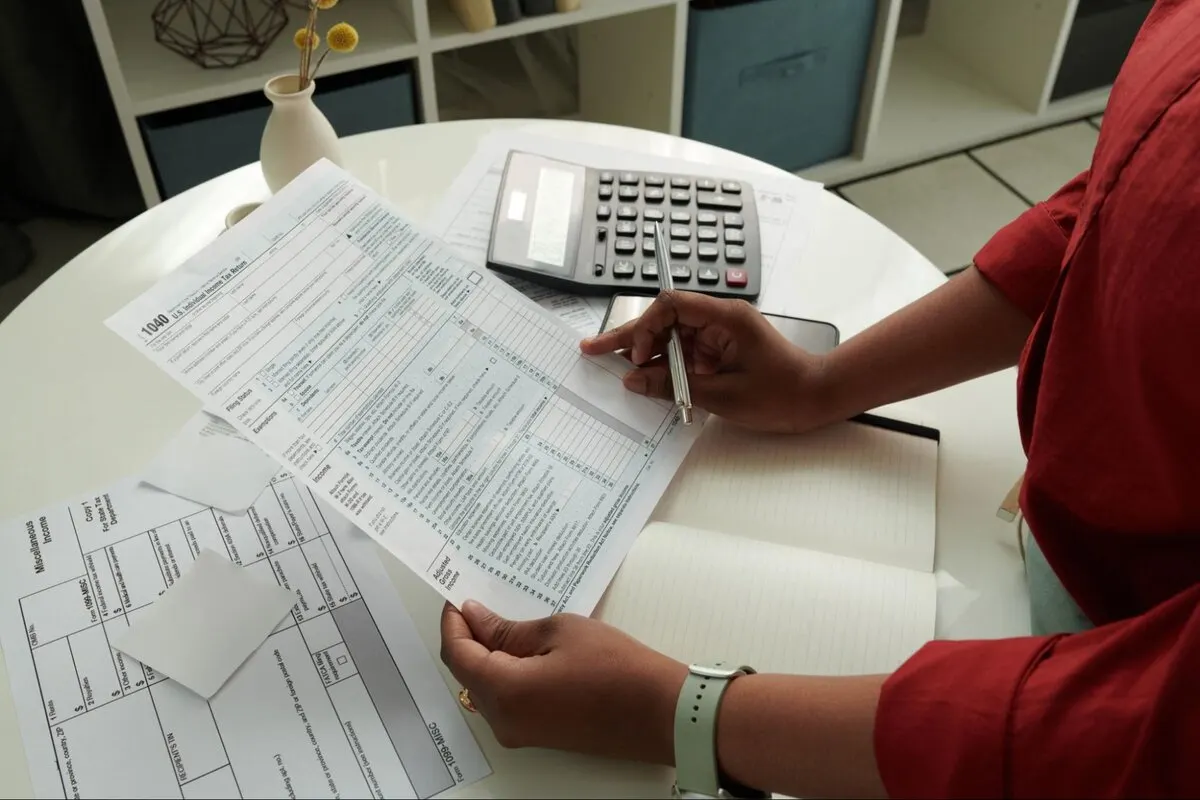
As an expat, you need to plan ahead and think strategically if you want to navigate the Swiss tax system with ease. Switzerland’s unique federal structure, which includes taxes at the federal, cantonal, and municipal levels, creates both opportunities and complexities for international residents. Good tax planning can significantly reduce your overall tax burden while still following all of Switzerland’s regulations.
The Importance of Tax Planning
Tax planning is the most important part of financial management as an expat in Switzerland. If you don’t plan ahead, you might end up with unexpected tax liabilities, miss out on important deductions, or fail to make the most of your investment strategy according to Swiss tax laws.
The Swiss tax system operates on a self-assessment basis, which means that citizens have to report all of their worldwide income and assets every tax year. This duty goes beyond just reporting income. It also includes making strategic financial decisions related to timing, investment structures, and retirement planning contributions. Early and consistent financial planning helps you make smart choices all year long instead of scrambling at tax filing time.
Tax optimization is even more important for expats because they may have to deal with double taxation issues, different cantonal tax rates, and the need to know about both Swiss and home country tax laws. Getting professional guidance and planning ahead can save you thousands of francs annually while reducing stress and uncertainty.
Understanding Different Types of Taxes
Income Tax
Switzerland levies income tax on all forms of earnings, including salaries, bonuses, self-employment income, rental income, and investment returns. The tax rate is very different from one canton to the next, and some offer more favorable rates for high earners.
Residents and non-residents both have to pay income tax, but the scope differs. Residents pay taxes on worldwide income, while non-residents usually only pay taxes on Swiss-source income. Knowing your tax residency status is the first step in figuring out your obligations and opportunities.
Because of the progressive tax system, higher earners face increased tax rates. This makes tax optimization strategies especially useful for people in upper income brackets. Timing income recognition, maximizing deductions, and structuring compensation packages can all have a big effect on your annual tax liability.
Capital Gains Tax
Switzerland generally does not impose capital gains tax on private investment gains for individual taxpayers. This favorable treatment makes Switzerland a good place for tax-efficient investments, but it’s important to understand the difference between private wealth management and professional trading.
In most cantons, private capital gains from securities, real estate held for more than two years, and other investments are usually tax-free. However, frequent trading or holding properties primarily for speculation may trigger taxation as business income.
Professional traders, who meet certain criteria such as holding periods, transaction frequency, and leverage usage, have to pay full taxes on their gains as ordinary income. The difference between having a private and a professional status has a significant effect on your financial planning approach and investment strategies.
Estate and Gift Taxes
In Switzerland, estate and gift taxes are mostly handled at the cantonal level, and the tax rates and exemptions can be very different from one canton to the next. Most cantons don’t charge inheritance taxes on direct descendants and spouses, while other beneficiaries may face significant tax burdens.
Gift taxes are often set up the same way as inheritance taxes, with different annual exemptions and lifetime limits for each canton. Giving gifts wisely while you’re still alive can help your family or a charitable cause and lower the amount of estate tax burdens you’ll have to pay in the future.
Expats need to pay extra attention to cross-border estate planning because the rules of their home country may also apply. Understanding treaty provisions and planning for potential conflicts between jurisdictions can help make sure that wealth is passed on to the next generation quickly and with ease.
Understanding Tax Deductions and Credits
Swiss tax law has a number of deductions and credits that can lower your taxable income substantially. Most tax optimization strategies are based on personal allowances, dependent allowances, and professional expense deductions.
Professional expense allowances cover work-related costs, including transportation, meals, continuing education, and home office expenses. To get the most out of your legal business deductions, you need to keep good financial records and know how much you can deduct in each canton.
Social security contributions, such as AHV/IV/EO payments and occupational pension contributions, lower your taxable income directly. Knowing the contribution limits and timing can help you get the most out of your annual tax position while also building up your retirement plan savings.
Key Tax Planning Strategies for Maximizing Tax Savings
Reviewing W-4 Income Tax Withholdings
If you work for a US company or get money from a US source, reviewing your W-4 withholdings will make sure that the appropriate amount of obligations is withheld throughout the tax year. People who live in Switzerland may need to change their withholdings to take into account foreign tax credits and treaty benefits.
By making sure that US and Swiss tax obligations are in sync, you can avoid overpayment to either jurisdiction while making certain that adequate funds are available for tax settlements. Regular review becomes especially important when income levels or tax situations change.
Harvesting Tax Losses
Even though Switzerland doesn’t tax private capital gains, tax loss harvesting can still benefit taxpayers engaged in business activities or professional trading. To offset gains with losses, you need careful timing and an understanding of Swiss trading classification rules.
For people subject to capital gains taxation, systematically harvesting losses throughout the year can greatly lower their tax liability. However, the difference between private wealth management and professional trading affects the availability and effectiveness of these strategies.
Itemizing vs. Standard Tax Deductions
Swiss tax returns let you break down your expenses in great detail, such as professional expenses, insurance premiums, and charitable donations. When you compare itemized to standard tax deductions, you can figure out which one is more beneficial for you.
Professional expenses are often higher than the standard allowances for high earners or those with significant work-related costs. Keeping detailed records and proper documentation helps with itemized deductions and makes sure that you comply with tax authority requirements.
Boosting Pre-tax Contributions
Putting as much money as possible into tax-advantaged retirement accounts lowers your taxable income now and builds wealth over time. The second pillar of Swiss occupational retirement plans and voluntary third pillar contributions both have significant tax benefits.
Third pillar contributions receive immediate deductions up to a certain amount each tax year. In this way, your earnings will grow tax-free until retirement. For long-term financial planning, the best way to get the most out of these benefits is to make contributions at the right times and understand withdrawal rules.
Planning for Required Minimum Distributions (RMDs)
Expats who have US retirement accounts have to deal with both the required minimum distribution rules and the tax implications in Switzerland. RMDs from traditional IRAs and 401(k) plans are taxable in both countries, so you need to be very careful about how you handle them.
Knowing how to read treaty language and figure out foreign tax credit calculations can help double taxation on retirement distributions. Planning withdrawal strategies that take into account both US rules and Swiss tax optimization can help you preserve more wealth in retirement.
Considering Roth IRA Conversion
In some cases, expats can benefit from converting their Roth IRAs, especially if they expect their tax rates to go up in the future or want to lower their required minimum distributions. However, you need to look closely at how Switzerland taxes Roth conversions.
The conversion creates current taxable income in the US and potentially in Switzerland, depending on the timing and treaty provisions. You need to think about the long-term benefits against the short-term tax costs and the difficulty of keeping up with ongoing compliance requirements.
Tax Planning for Individuals
Tax Strategies for Property Owners
Swiss homeowners have several financial planning opportunities, such as being able to deduct mortgage interest and receive maintenance expense allowances. Knowing the difference between value-maintaining and value-enhancing improvements affects how much you can deduct.
Planning for property taxes goes beyond yearly deductions to include the timing of improvements, energy efficiency investments, and potential imputed rental value calculations. Some cantons let you take special tax deductions for environmental improvements and renovations.
Income Tax Planning for the Self-Employed
Self-employed individuals in Switzerland have their set of tax optimization challenges and opportunities. Tax deductions for business expenses, pension contributions, and income timing strategies can all have a significant effect on annual tax liabilities.
The basis of good self-employed tax planning is setting up the right business structures, keeping detailed records, and knowing how businesses are taxed differently in different cantons. Regular meetings with Swiss tax professionals can help you understand complicated rules and make the best use of your strategies.
Optimizing Pension Fund Contributions
In addition to required occupational pension fund contributions, voluntary third pillar payments provide immediate tax benefits and help you build wealth over time. To get the most out of these benefits, you need to understand the pension contribution limits, investment options, and withdrawal rules.
Making contributions at the end of the year can provide immediate tax relief and give you more time to make tax-efficient investments. Combining pension fund contributions with other financial planning strategies creates comprehensive wealth-building approaches.
Tax Planning for Business Owners
Choosing the Right Trading Structure
Business owners need to choose the appropriate legal structures that strike a balance between tax efficiency, operational flexibility, and regulatory compliance. There are different tax implications and planning opportunities for the different types of Swiss businesses, such as corporations, partnerships, and proprietorships.
Some cantons have lower tax rates for businesses, which could be beneficial for them, but it could also make things more complicated and increase compliance costs. Partnership structures often provide tax transparency while allowing flexible profit distributions among partners.
Efficient Tax Payment Solutions
Managing cash flow for tax payments requires planning throughout the year rather than scrambling at filing time. Understanding payment schedules, provisional tax requirements, and penalty avoidance strategies can help you prevent unnecessary costs.
Some cantons offer payment plan options or early payment discounts that can reduce overall tax liability. Managing working capital well means making sure that tax payments fit in with your business’s cash flow and investment plans.
Utilizing Available Tax Deductions and Allowances
Business owners are eligible for a number of deductions and allowances that are not available to employees, such as home office expenses, vehicle costs, and business entertainment. These deductions are supported by appropriate documentation and understanding of business purpose requirements.
Enhanced deductions or credits are frequently available for taxable events such as research and development expenses, training costs, and professional development investments. Benefits can be maximized by keeping up to date with evolving regulations and incentive programs.
Year-Round Tax Planning and Contributions
Spreading out optimization tasks over the course of the tax year allows for more strategic decision-making and prevents year-end rushes. Optimal tax positions are maintained by routinely reviewing income projections, expense planning, and investment strategies.
Consulting with financial experts on a quarterly basis facilitates the identification of planning opportunities and the modification of strategies in response to changing circumstances. Generally speaking, proactive planning produces better outcomes than reactive tax preparation.
Tax Minimization Techniques for Reducing Tax Burden
Reducing Capital Gains Tax
Timing asset sales and taking advantage of available exemptions can greatly lower tax burdens for taxpayers who are subject to capital gains taxation. Investment decisions are guided by understanding of holding period requirements and qualification criteria for preferential treatment.
Techniques for rebalancing and strategically locating assets aid in managing taxable gains while preserving desired investment allocations. The overall tax efficiency of the portfolio is maximized when gains realization and loss harvesting are coordinated.
Maximizing Gifting Opportunities
Strategic gifting can help family members or charitable causes while lowering estate tax burdens. Effective gifting programs are facilitated by knowledge of annual exemptions, lifetime limits, and valuation rules.
Direct donations and the creation of charitable foundations are two examples of charitable giving strategies that offer tax advantages while advancing meaningful causes. Swiss tax advisors can assist in structuring charitable giving programs that optimize philanthropic impact and tax advantages.
Resources and Tools for Effective Tax Planning
Swiss expats can effectively plan their taxes with the help of a variety of resources, such as online calculators, tax preparation software, and educational materials. Forms and official guidance regarding federal tax obligations are provided by the Swiss Federal Tax Administration.
Specific details regarding local tax rates, deadlines, and requirements are provided by the cantonal tax authorities. Many streamline residents’ compliance process by offering online portals for tax filing and payment.
While guaranteeing accuracy and compliance, professional tax software made specifically for Swiss tax returns can make preparation easier. However, professional tax advice is usually preferable to relying only on software solutions in complex situations.
Working with Tax Professionals
Access to specialized knowledge and strategic planning expertise that individual taxpayers cannot replicate is made possible by working with qualified financial professionals. Wealth managers, tax advisors, and cross-border specialists all provide distinct but complementary services.
When choosing experts, take into account their experience with expat taxation, familiarity with your home country’s tax system, and ability to coordinate with other tax advisors. By reducing compliance risk and using optimization techniques, professional tax planning services frequently pay for themselves.
As tax laws and individual circumstances change, regular communication with your professional team guarantees that strategies stay relevant and successful. Optimal tax planning is maintained throughout changing life stages through annual strategy reviews and periodic check-ins.
The Benefits of Strategic Tax Planning for Long-term Tax Savings
Swiss expats benefit from strategic tax planning in the short and long term. Reduced annual tax liabilities, better cash flow management, and less stress related to compliance are some of the short-term benefits.
Long-term advantages include efficient estate planning, retirement security, and wealth preservation. When invested appropriately, compound tax returns on savings can greatly increase lifetime wealth accumulation and financial independence.
Effective tax planning offers more than just financial advantages; it also gives you financial future confidence and peace of mind. Better life planning and a decreased fear of unpleasant tax surprises are made possible by being aware of your responsibilities and opportunities.
By using optimization strategies, penalty avoidance, and effective wealth structuring, professional tax planning usually yields returns that greatly outweigh expenses. Over time, these advantages are maximized, especially if you get started early and keep up regular planning habits.